18/05/2026
OGS at the “Science Under 18” Festival
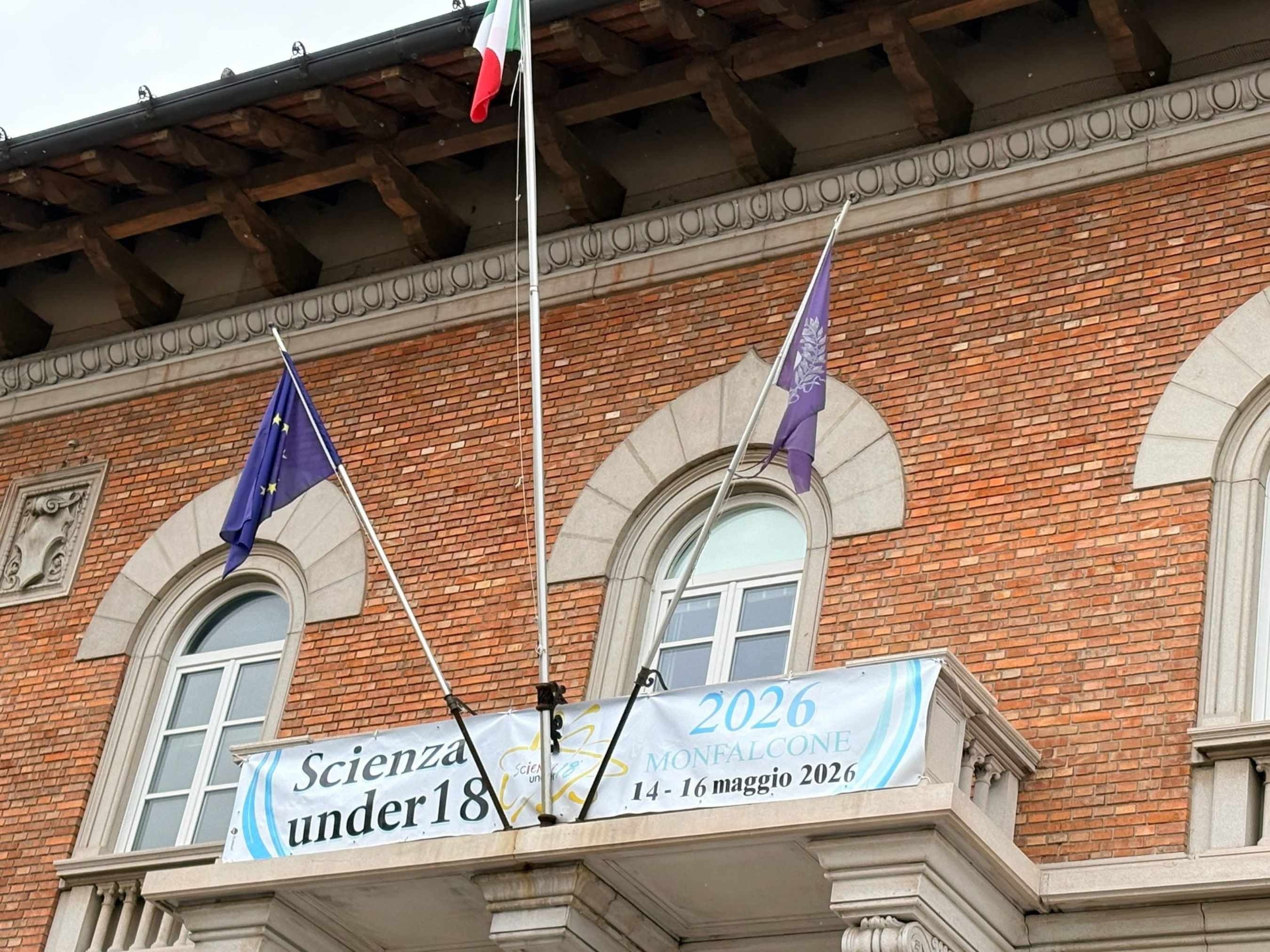
In recent days, as part of the “Scienza Under 18” Festival held in Monfalcone, researchers from the Center for Seismological Research of the OGS and the Section of Ocenography of the OGS conducted a series of educational and scientific activities dedicated to young people.
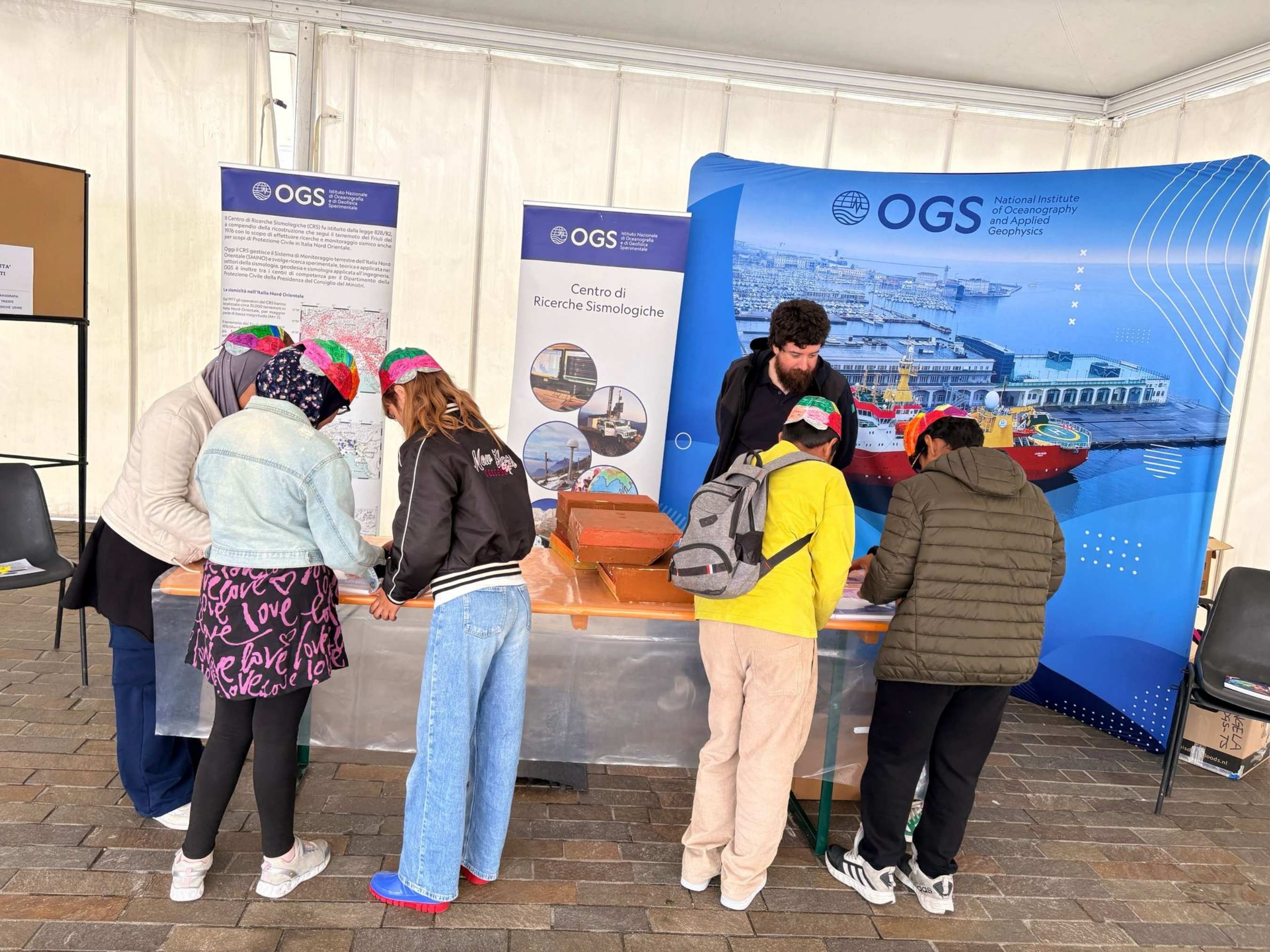
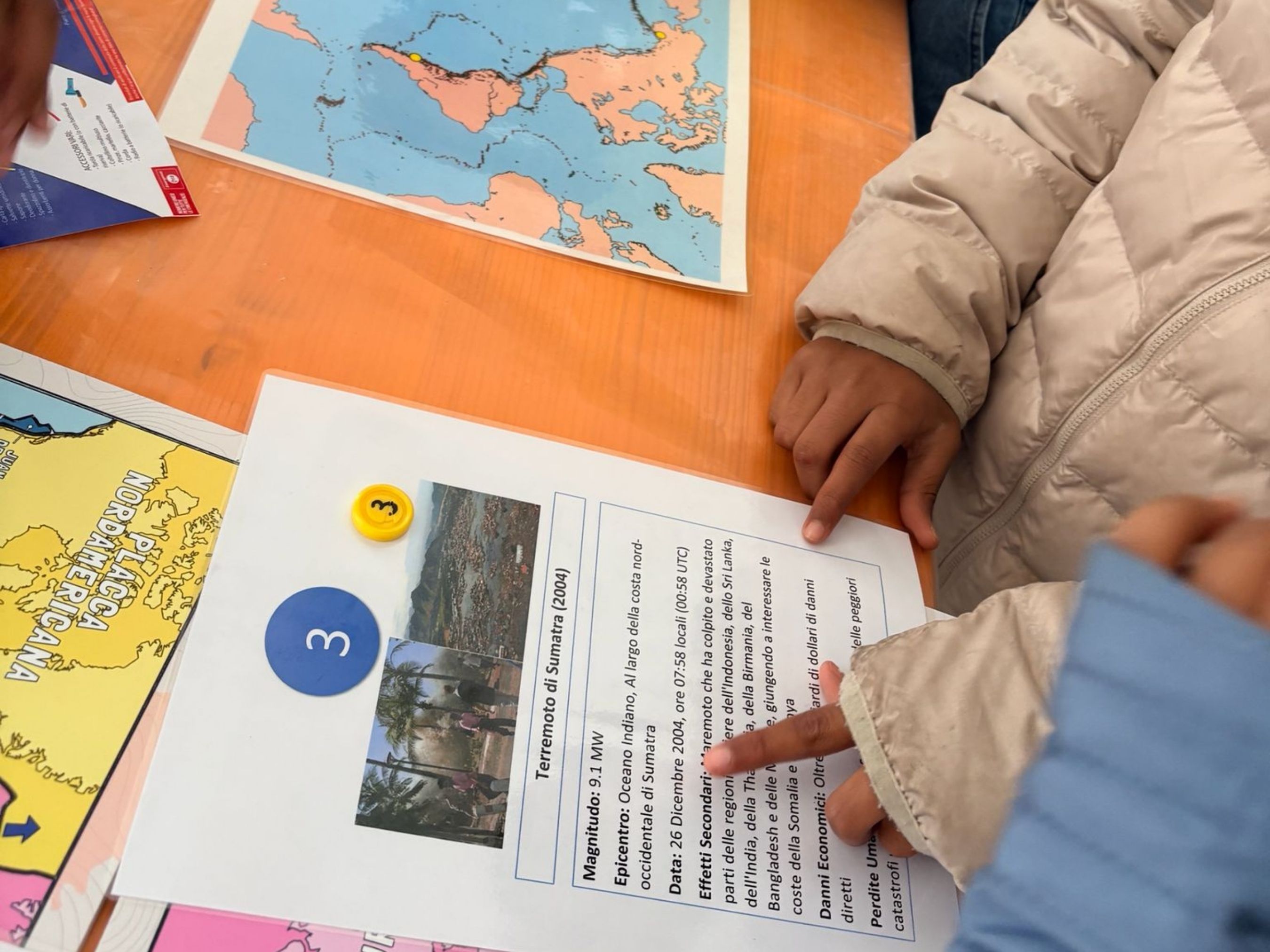
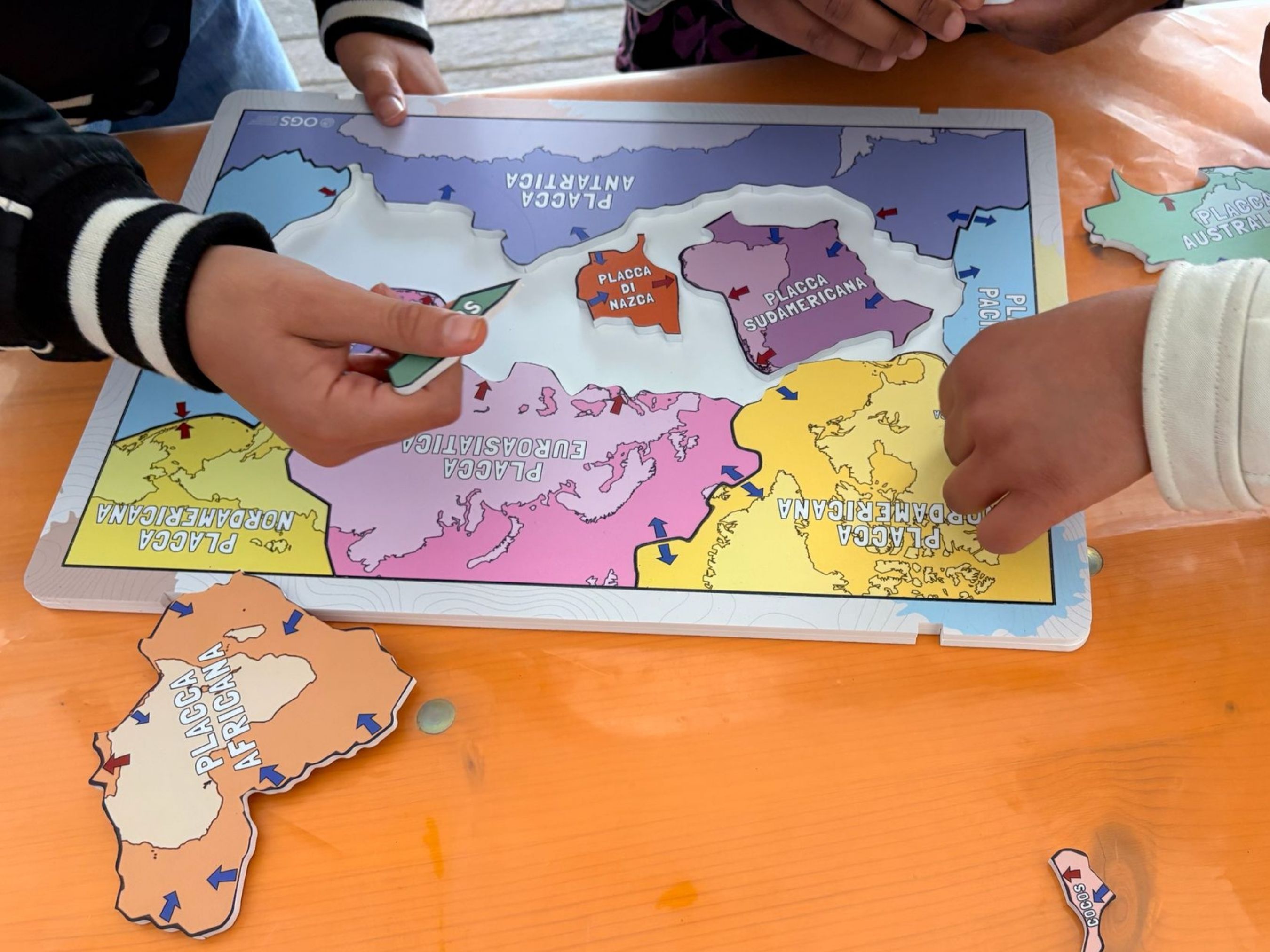
Among the activities offered by the CRS were games about earthquakes, which allowed participants to explore the topic of plate tectonics and learn how earthquakes form, where they occur, what geological processes cause them, and where some of the strongest earthquakes in recorded history have taken place. The game also served as a starting point for reflection on the global distribution of seismic activity and its connection to the behavior of tectonic plate boundaries.
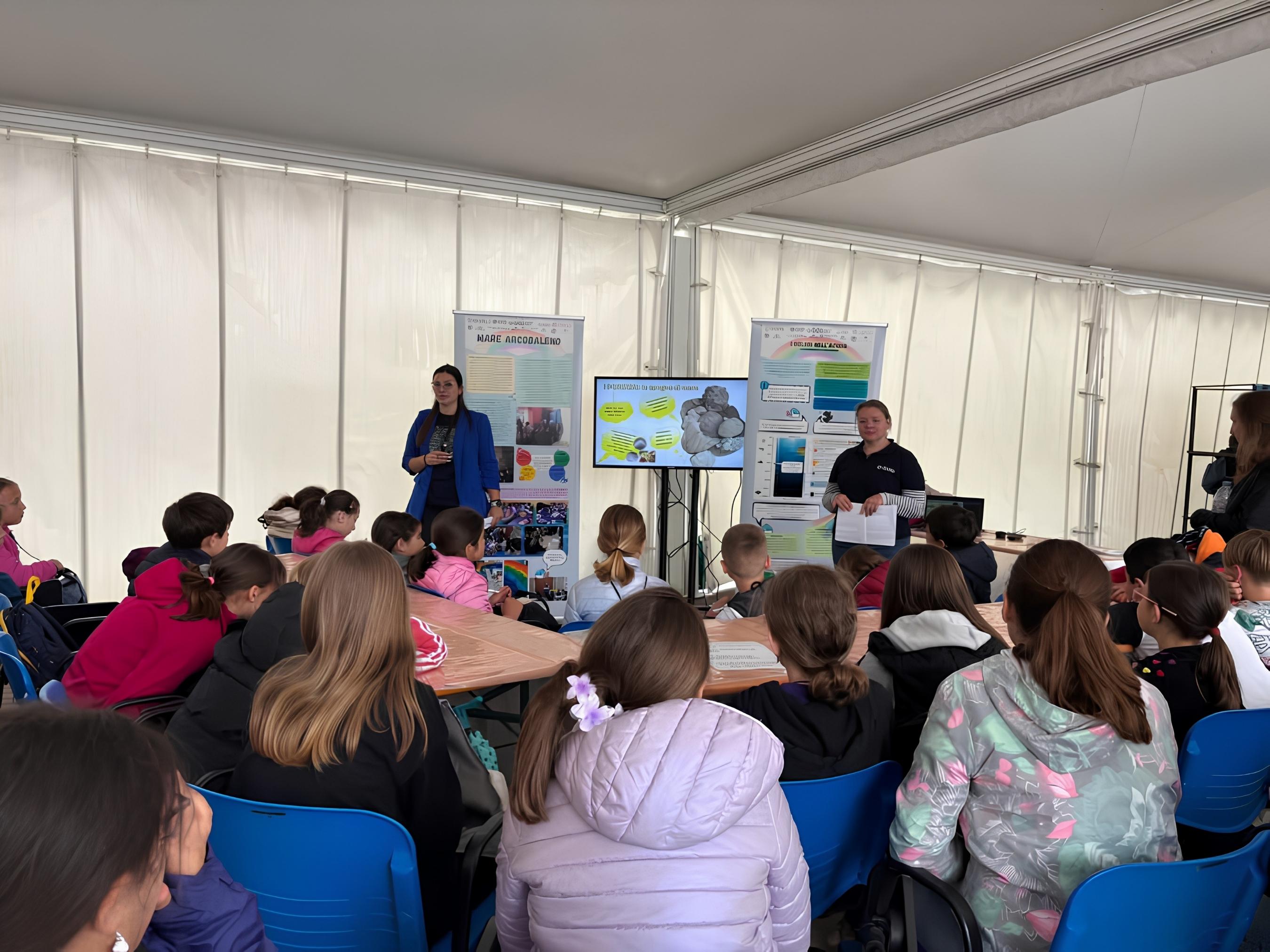
The Oceanography Section, on the other hand, brought yet another activity to the Festival, designed for elementary school children as part of the regional project “Mare Arcobaleno,” carried out in collaboration with Marevivo FVG.
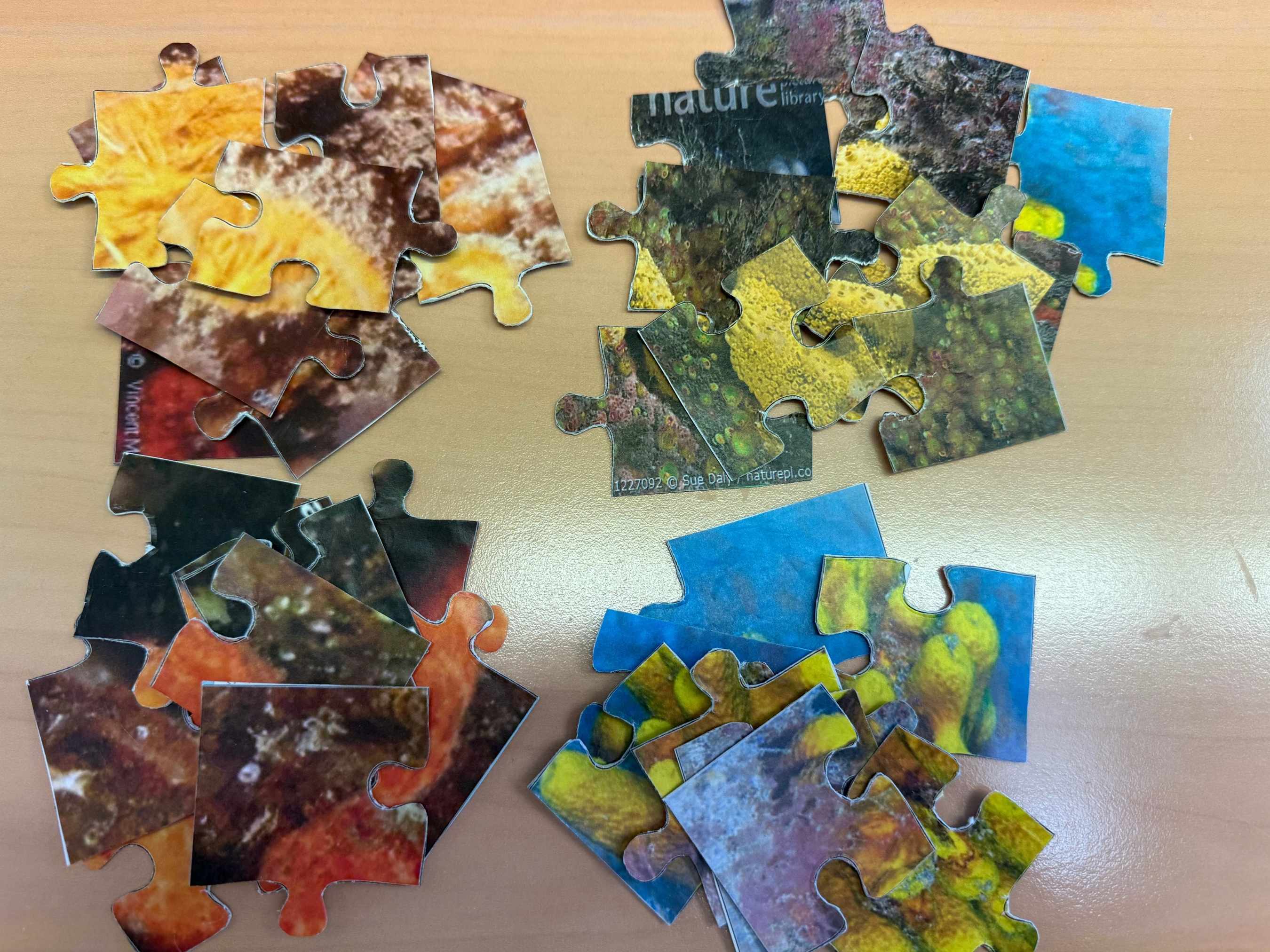
Through interactive games, videos, and presentations, the young participants were introduced to various scientific topics related to the sea. Through the use of “mascot” species, they linked these topics to various colors of the rainbow, and were thus able to trace the path of sunlight down to the ocean depths and answer the question we all ask ourselves at least once in our lives: “But why is the sea blue?”
Some of the topics discussed included mutualistic symbiosis involving red and orange (e.g., between hermit crab sponges and hermit crabs), sponges and their fascinating aspects related to the yellow color, and the importance of Posidonia oceanica, which turns our seabeds green . Last but not least, the deep abyss — a mysterious environment tinged with blue and purple, yet to be explored, with its abyssal gigantism, bioluminescence, and living fossils.
View also