
26/01/2026
Invasive warty comb jelly threatens Venice Lagoon Ecosystem
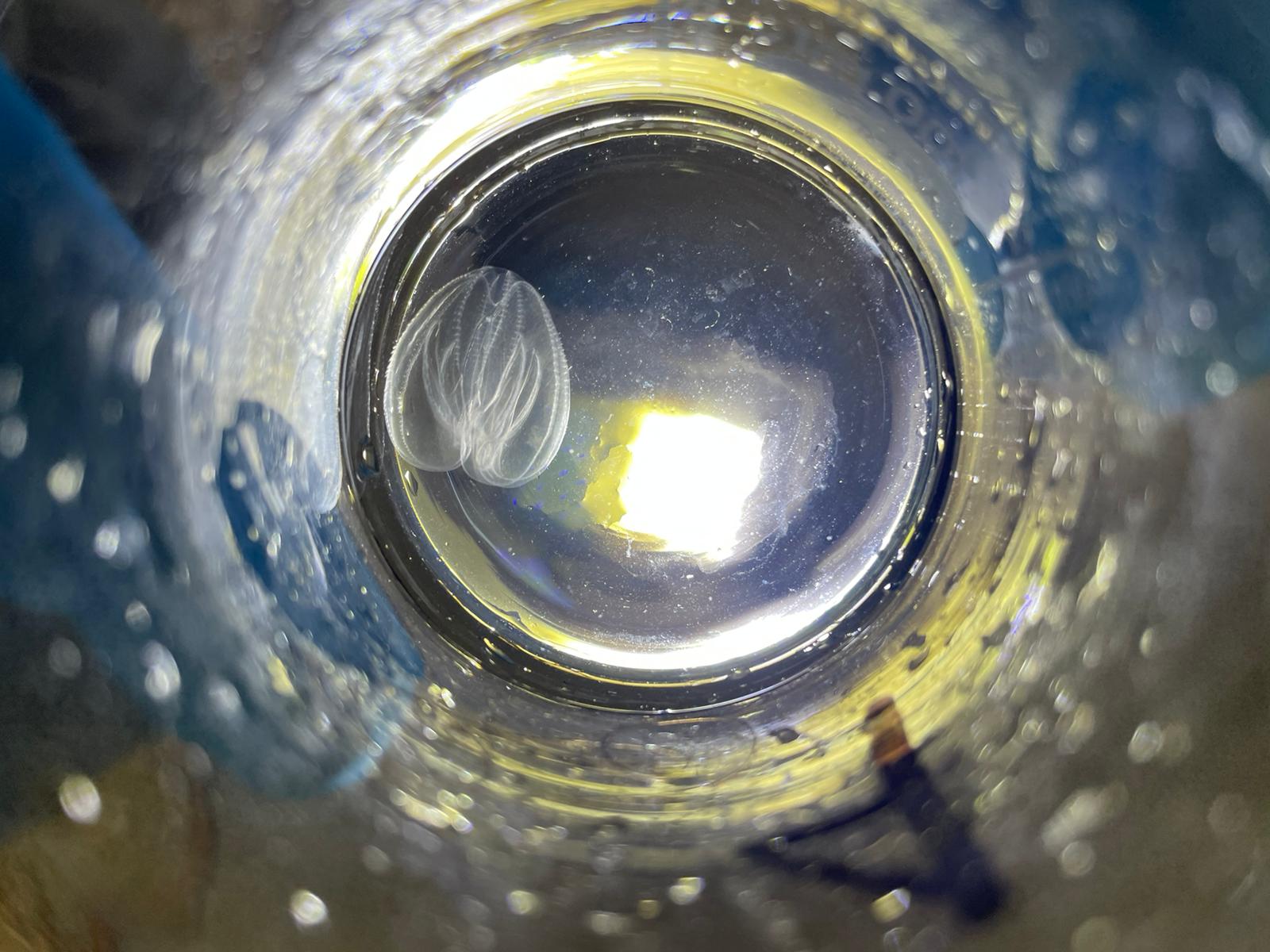
The ctenophore Mnemiopsis leidyi is considered to be one of the 100 most harmful invasive species worldwide and has been present in the Adriatic Sea for almost a decade, causing serious issues for fishing operators, particularly in lagoon environments. A research team from the University of Padua and the National Institute of Oceanography and Applied Geophysics (OGS) has recently published a study in the journal «Estuarine, Coastal and Shelf Science». The publication is titled An invader chronicles: local ecological niche of Mnemiopsis leidyi in the Venice Lagoon, and it emphasises the potential ecological threat posed by Mnemiopsis leidyi to the Venice Lagoon, attributable to its adaptability and the favourable conditions for its proliferation , resulting from ongoing climate change, which may have a negative impact on other species within the ecosystem.
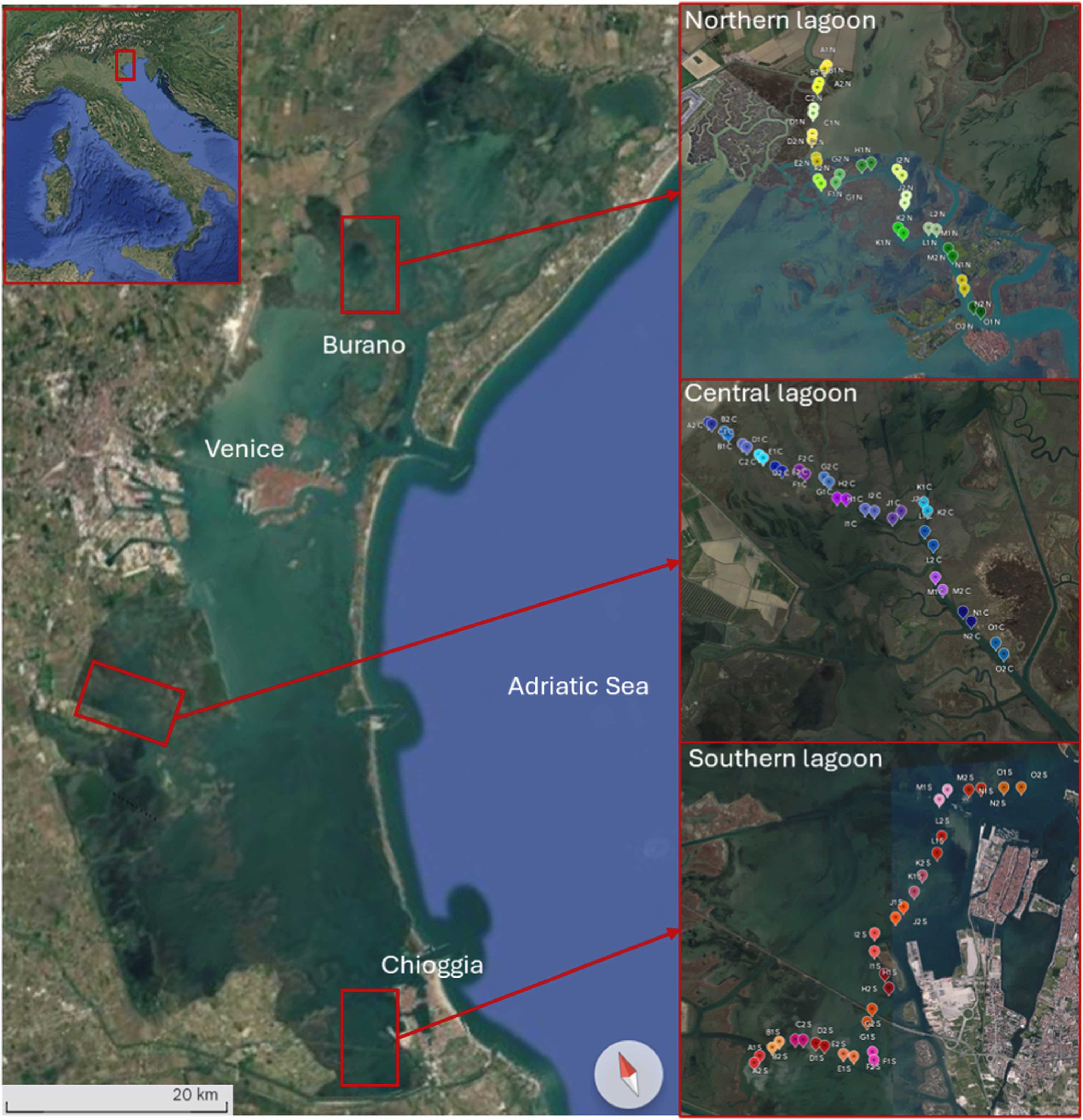
The study, conducted over two years, adopted an interdisciplinary approach and monitored the spatial distribution of the species. It represents the first integrated field and laboratory investigation of the ecological niche of Mnemiopsis leidyi in the Venetian Lagoon. Researchers were able to establish the primary environmental benchmarks for the survival of this ctenophore species, unveiling a seasonal pattern marked by significant reproductive blooms in late spring and between late summer and early autumn. These blooms are likely influenced by elevations in temperature and optimal salinity levels.
The species' abundance indicates that Mnemiopsis leidyi is capable of surviving under a wide range of temperatures and salinities, though very high temperatures or low salinity can significantly impact its survival.
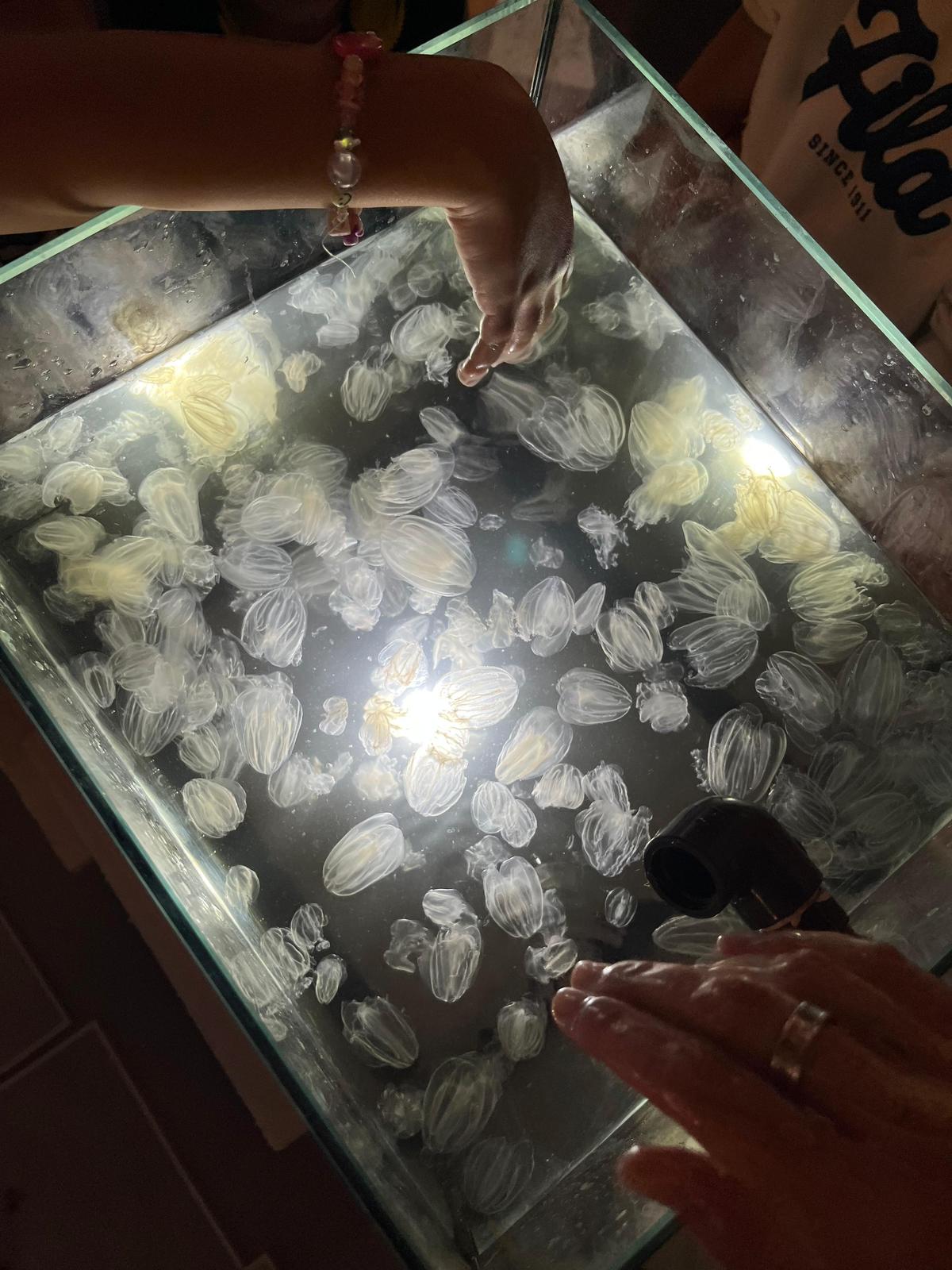
The study posits that ongoing climate change could create increasingly favourable environmental conditions for this ctenophore, potentially boosting its presence in large aggregations and, consequently, increasing the risk of impacts on the entire lagoon ecosystem. Targeted monitoring, coupled with adaptive management strategies for the species' presence, is therefore necessary.
View also