
24/08/2026
Submerged Landscapes: A New Window into the Lives of Prehistoric Communities in the Upper Adriatic
Environments once inhabited by prehistoric populations now lie hidden beneath the waters of the Upper Adriatic. A new study by OGS and the University of Southampton reconstructs the evolution of the coastal landscapes that characterised this region between 9000 and 4000 BC, offering fresh insights into the environmental conditions in which Mesolithic and Neolithic communities lived.
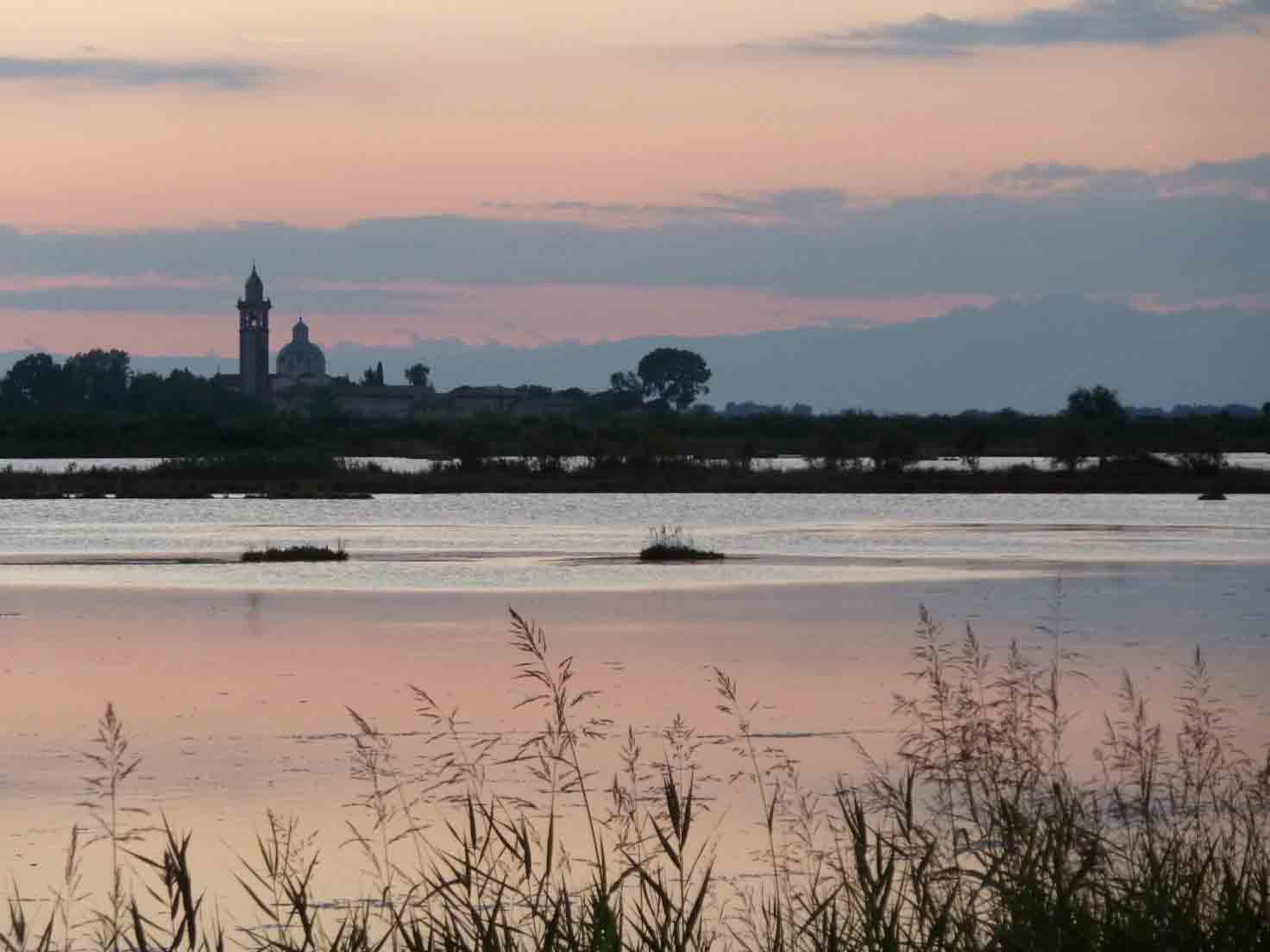
Throughout prehistory, rising sea levels profoundly transformed these territories, progressively submerging the plains, wetlands, lagoons and coastal systems that had been integral parts of the landscape frequented by the populations of that era.
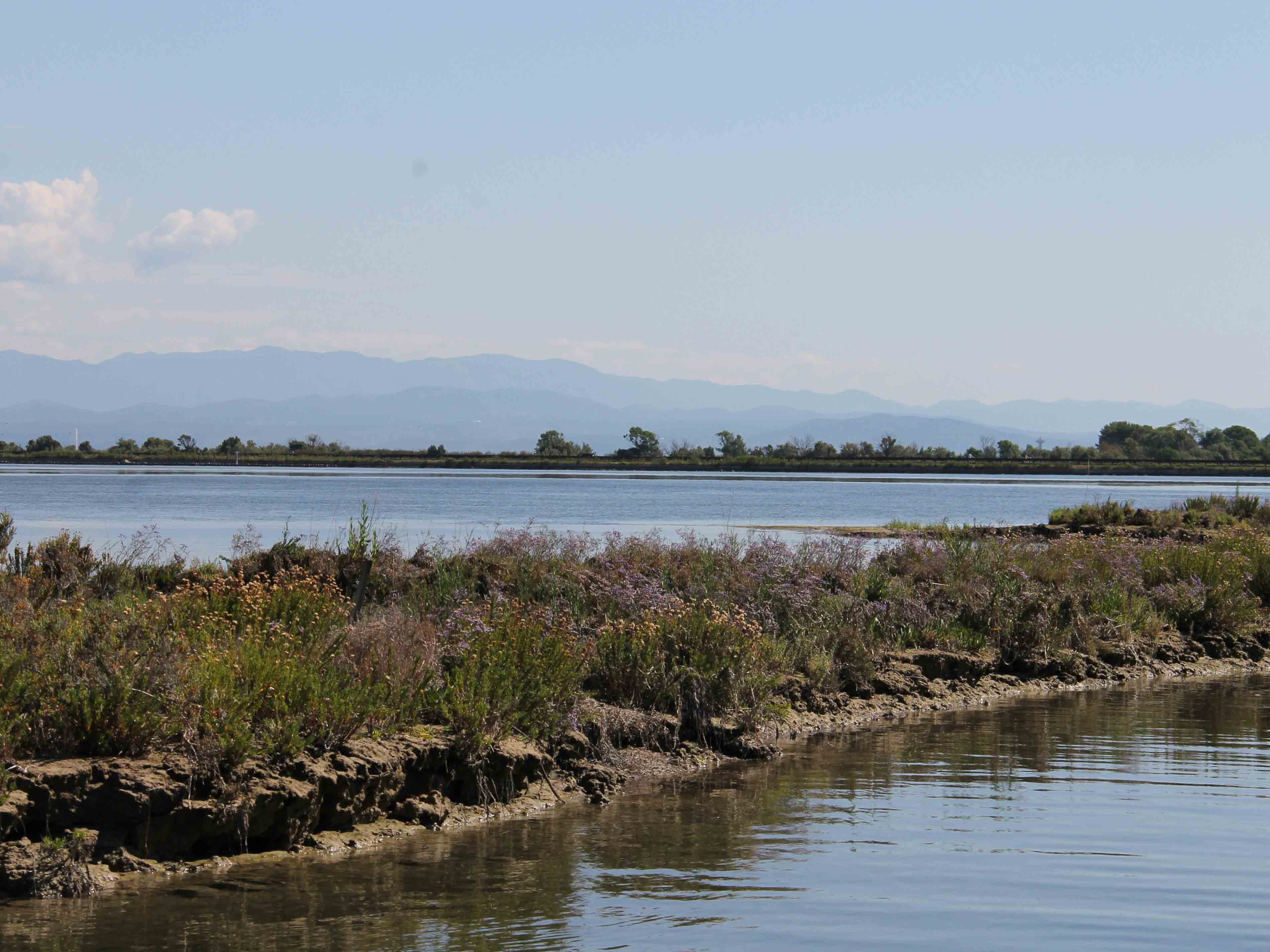
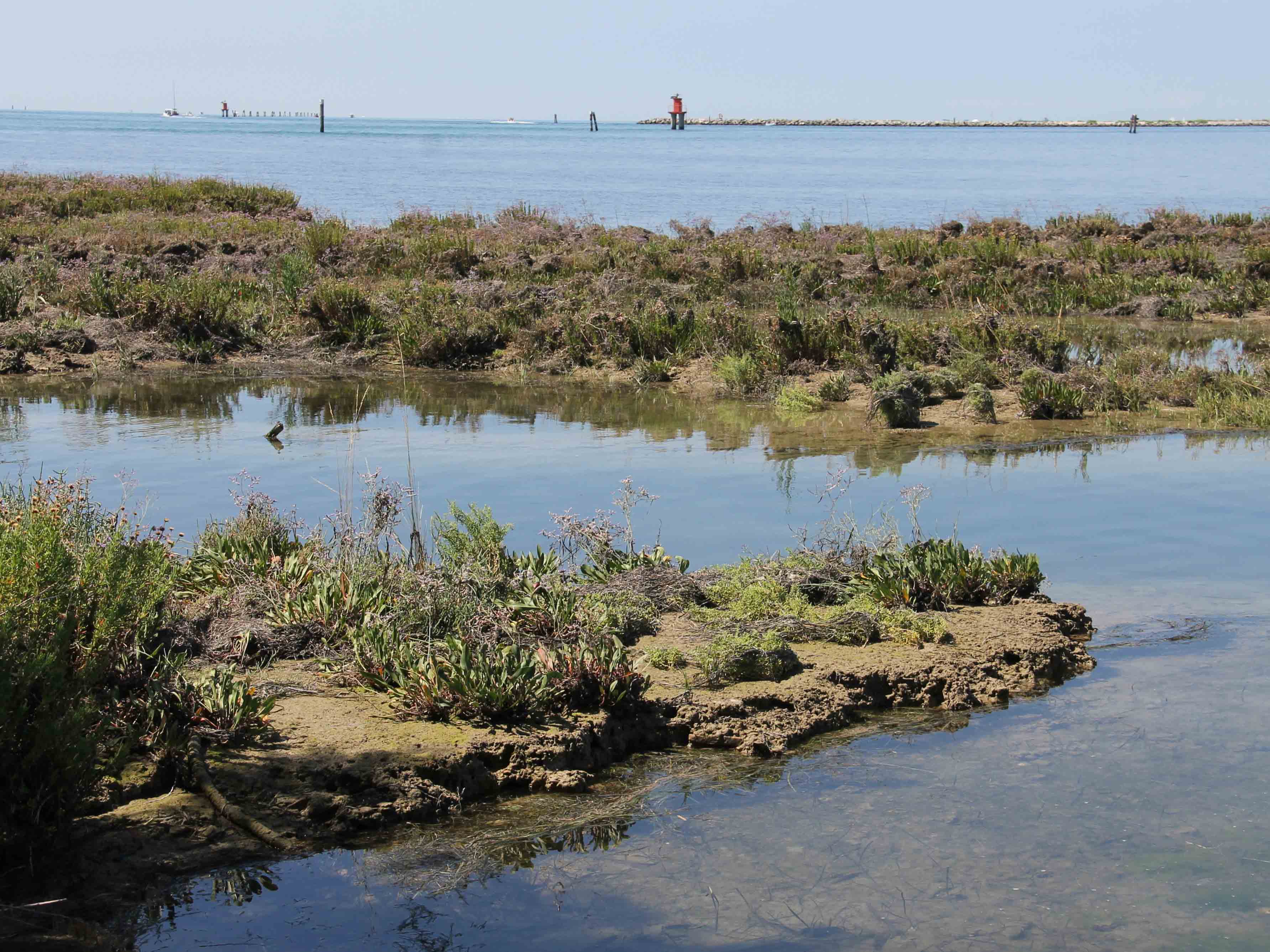
The study reconstructed these lost landscapes by combining existing data from sediment core analysis with new, high-resolution geophysical data. The reconstructions reveal successive generations of coastal barriers (accumulations running parallel to the coast that typically act as a natural levee) and back-barrier zones (marshy areas developing behind the coastal barrier), as well as lagoon, marsh and delta environments.
This work highlights the potential of palaeogeographic reconstructions for studying the evolution of past societies, restoring to archaeological research a territory that is no longer visible today but was part of the European landscape for thousands of years.
Info
View also