
The Advanced school on Multispecies modelling Approaches for ecosystem-based marine REsource management in the MEDiterranean Sea (AMARE-MED) takes place annually and moves around the Mediterranean. Since 2022, the AMARE-MED series has been co-sponsored by The Laboratory on Quantitative Sustainability (TLQS).
Each edition includes the presentation and use (hands-on computer) of two or three different modelling approaches used for scientific analysis, useful for the management of marine renewable resources: MICE, GADGET, RPATH, CMSY, FISHPATH, ECOSPACE, SMART, SDMtmb, tinyVAST, SS3 (and many others). Internationally renowned researchers such as Andre Punt, Valerio Bartolino, Natalie Dowling, Giampaolo Coro, Kim De Mutsert, Natalia Serpetti, Tommaso Russo, Lewis Barnett, James Thorson were speakers in previous editions. Since 2017, the OGS modelling group has been the promoter and main organiser of AMARE-MED, in collaboration with other Italian and foreign research institutes, which have also hosted some editions (2017 CapoGranitola-Italy; 2018 Trieste-Italy; 2019 Venice-Italy; 2021 Split-Croatia; 2022 Larnaka-Cyprus; 2024 Lisbon-Portugal; 2025 Tunis-Tunisia).
In the context of advancing sustainable fisheries management and fostering capacity building, this year’s summer school focuses on theoretical insights and practical skills, covering the essential topic of size-based fish modelling, and will take place at Xjenza Malta from 22 – 26 June, 2026
Content of AMARE-MED 2026 Edition
- Stock assessment methods based on size-structured population dynamics models, including methods that can account for technical interactions among stocks/species and that can be used to evaluate the risk associated with alternative harvesting strategies. Practical examples in R will involve fitting single and multiple species state-space versions of size-structured stock assessment methods. Lecturer: Andre Punt.
- Introduction of FEISTY, a fish community modelling framework. FEISTY assesses the biomass, production, and carbon sequestration of the fish community under the combined effects of zooplankton production, climate change, and fishing pressure. FEISTY is available as a R package and the classes will revolve around hands-on sessions in a Mediterranean context. Lecturer: Ken Haste Andersen.
The week-long course will blend lectures with hands-on programming, equipping participants with advanced tools and methodologies crucial for fisheries management.
Target candidates
Participants must fulfil the following requirements:
- Knowledge of English (level B2 or higher)
- A demonstrated interest in multispecies modelling approaches
- Programming skills (in particular, R will be used)
The selection of participants is based on expertise, skills, and interest, as demonstrated through the online application process.
AMARE-MED editions are generally dedicated to 25-30 students selected based on experience, computational ability, subject knowledge and motivation. During the selection process, an attempt will be made to ensure geographic distribution and diversity, gender balance.
Fees, Costs and Support
Participation is free, reflecting the commitment to fostering inclusivity and access to cutting-edge knowledge.
The summer school underscores the importance of capacity building and regional collaboration in the Mediterranean and Black Sea and through the TLQS programme a limited number of selected applicants will receive support (accommodation and/or flight). Additional fellowships will be provided by key organising institutions: National Research Council (CNR) of Italy and Stazione Zoologica (SZN).
Xjenza Malta is supporting the school offering the venue, catering, social event and social dinner.
This initiative continues to strengthen scientific dialogue, cooperation, and capacity building across the region, ensuring the effective application of innovative models and approaches for sustainable fisheries management.
Dates: 22 – 26 June, 2026 XJENZA Malta
Application deadline: 31 March 2026 11.59 PM (CET)
Please apply here: https://forms.gle/oKVneBsjK1CwLKmd8
For further information, please write to echo@ogs.it
AMARE-MED 2026
Location: XJENZA Malta
Dates: 22 – 26 June, 2026
Teachers
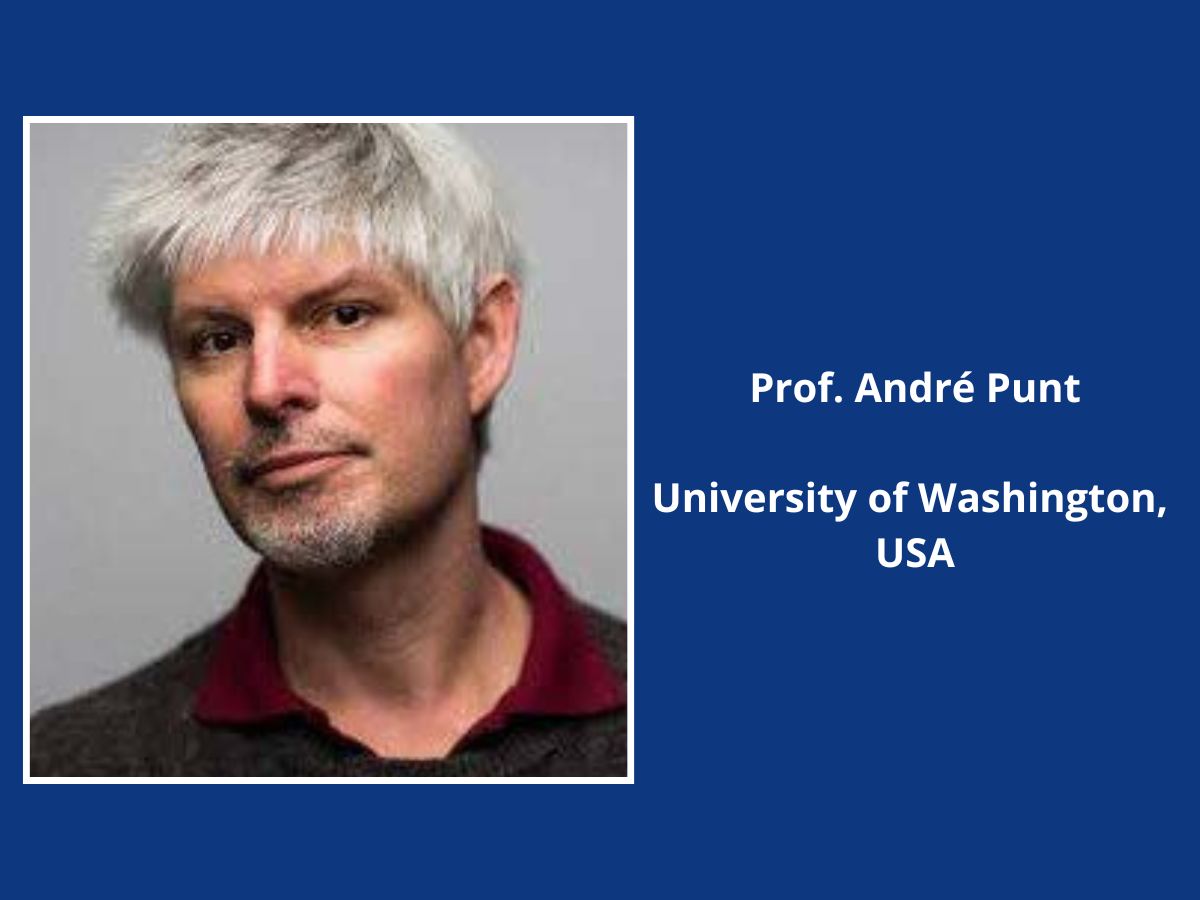
- Prof. Andre Punt, University of Washington, USA
"Most stock assessments are based on age-aggregated or age-structured population dynamics models, but these models are not appropriate for species for which routine ageing is difficult or impossible. This class will introduce students to stock assessment methods based on size-structured population dynamics models, including methods that can account for technical interactions among stocks/species and that can be used to evaluate the risk associated with alternative harvesting strategies. The class lectures will be supplemented by examples in R (and RTMB) involving fitting single and multiple species state-space versions of size-structured stock assessment methods and conducting an evaluation of alternative management options such as catch limits and changes to minimum sizes."
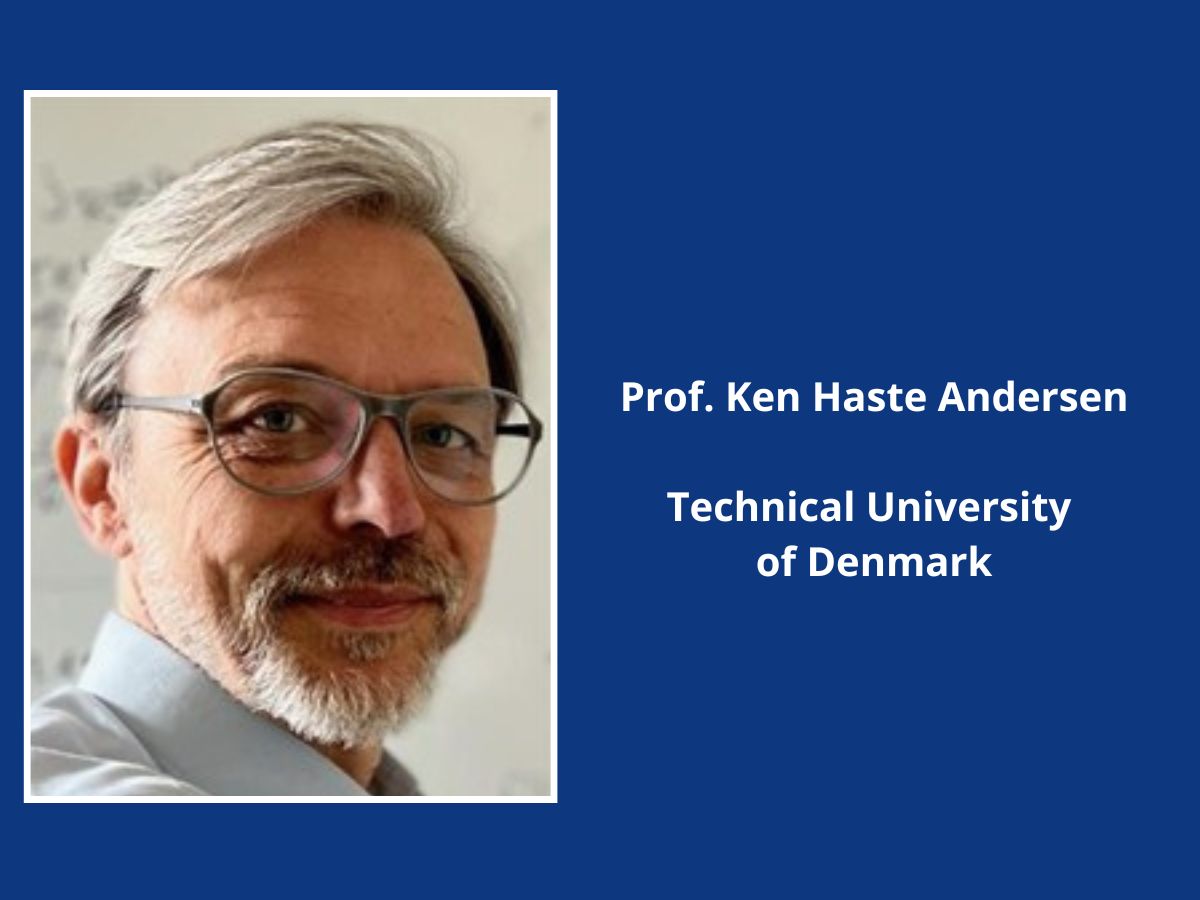
- Prof. Ken Haste Andersen, Technical University of Denmark
“I will introduce the FEISTY fish community modelling framework. FEISTY asses the biomass, production, and carbon sequestration of the fish community under the combined effects of zooplankton production, climate change, and fishing pressure. FEISTY is available as a R package and the classes will revolve around hands-on sessions in a Mediterranean context”.

AMARE-MED 2026
Location: XJENZA Malta
Dates: 22 – 26 June, 2026