02/10/2026
The 10th Copernicus Ocean State Report (OSR10) has been published, revealing a transformed ocean and coastal communities on the front line
The 10th Copernicus Ocean State Report (OSR10), published today, 2 October 2026, issues a stark warning about the scale of the profound changes affecting the ocean, as a developing El Niño event in the Pacific could be unlike anything we have previously experienced. Mercator Ocean International, the organisation that the European Commission has entrusted with implementing the Copernicus Marine Service, produced the report. The report was created with contributions from 125 scientists from Europe and around the world, and it marks its tenth anniversary. The latest satellite data, in situ observations and numerical models were used to create the report. The data indicate that the ocean is warming at an alarming rate, with far-reaching consequences for marine life, coastlines and communities around the world that live alongside the sea.
OGS also contributed to the report with a study conducted by the Section of Oceanography on the impact of extreme events on the biogeochemical dynamics of coastal areas, with a particular focus on the northern Adriatic region.
The report demonstrates why continuous and operational observations are essential, and highlights the value of turning data into reliable information that governments and communities can use to prepare for what lies ahead. The ocean is visibly changing before our eyes, and it is our responsibility to build a permanent capacity to anticipate these transformations.
This comprehensive report, which draws on the expertise of a global scientific community, underscores the rapid and far-reaching changes occurring worldwide. Long-term data series make these changes visible, enabling scientists to distinguish isolated events from broader trends and to build an increasingly detailed picture of what is happening, where impacts are emerging, and the contexts in which governments and communities may need to prepare.
As the amount of heat absorbed by the ocean increases, its effects spread throughout the marine system. Rising water temperatures are a key factor in the occurrence of marine heatwaves, the intensification of storms, the alteration of ecosystems, and the contribution to sea-level rise through the thermal expansion of seawater and the melting of land-based ice. These are not isolated phenomena, but interconnected consequences of ocean warming, increasingly evident in regional seas and coastal communities around the world.
In Europe, regional seas are under particular pressure, with some areas changing more rapidly than others. Significant amounts of anomalous heat can persist below the surface, revealing impacts that surface temperatures alone would not capture and providing a more complete picture of the risks facing marine ecosystems.
OGS's contribution to the report centred on the analysis of eutrophication in the northern Adriatic in 2024. This analysis drew upon satellite data, Copernicus Marine Service models and a high-resolution coastal model. The researchers identified chlorophyll anomalies exceeding 100% of climatological levels in early spring, followed by persistent anomalies throughout the summer and autumn. The phenomenon was primarily associated with riverine inputs of freshwater and nutrients, particularly phosphates, together with ocean circulation and sea-surface temperature. Extreme river events contributed to biomass accumulation and potential episodes of increased eutrophication. The study also emphasises the significance of forecasting systems and high-resolution coastal modelling for enhanced monitoring and comprehension of the local distribution and progression of eutrophication.
OSR10 also proves how ocean science can provide practical support to society in addressing these changes, helping to strengthen early warning systems, infrastructure planning and adaptation strategies.
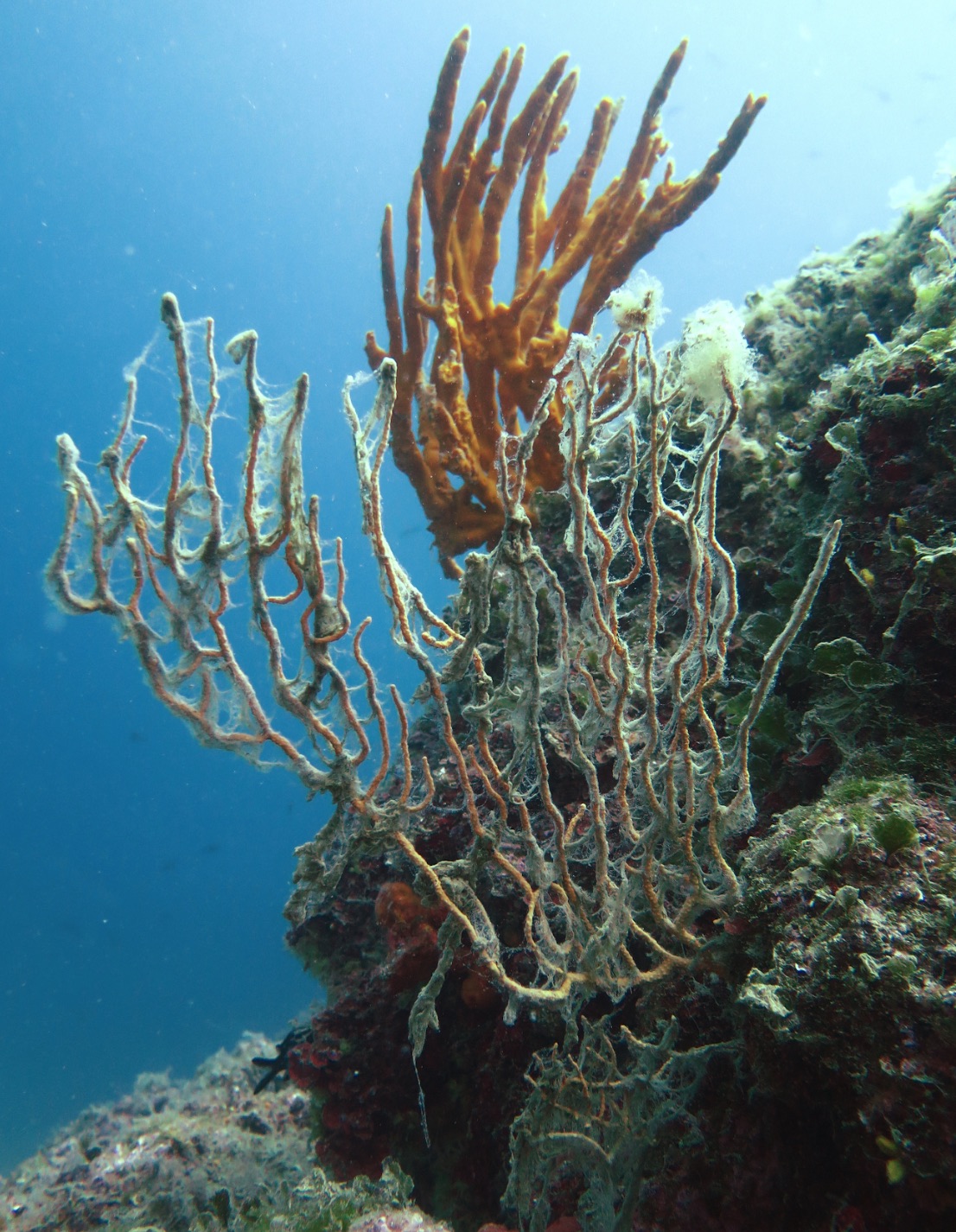
Picture: Corallo con mucillagine, by Serena Zunino (OGS).
View also