15/10/2026
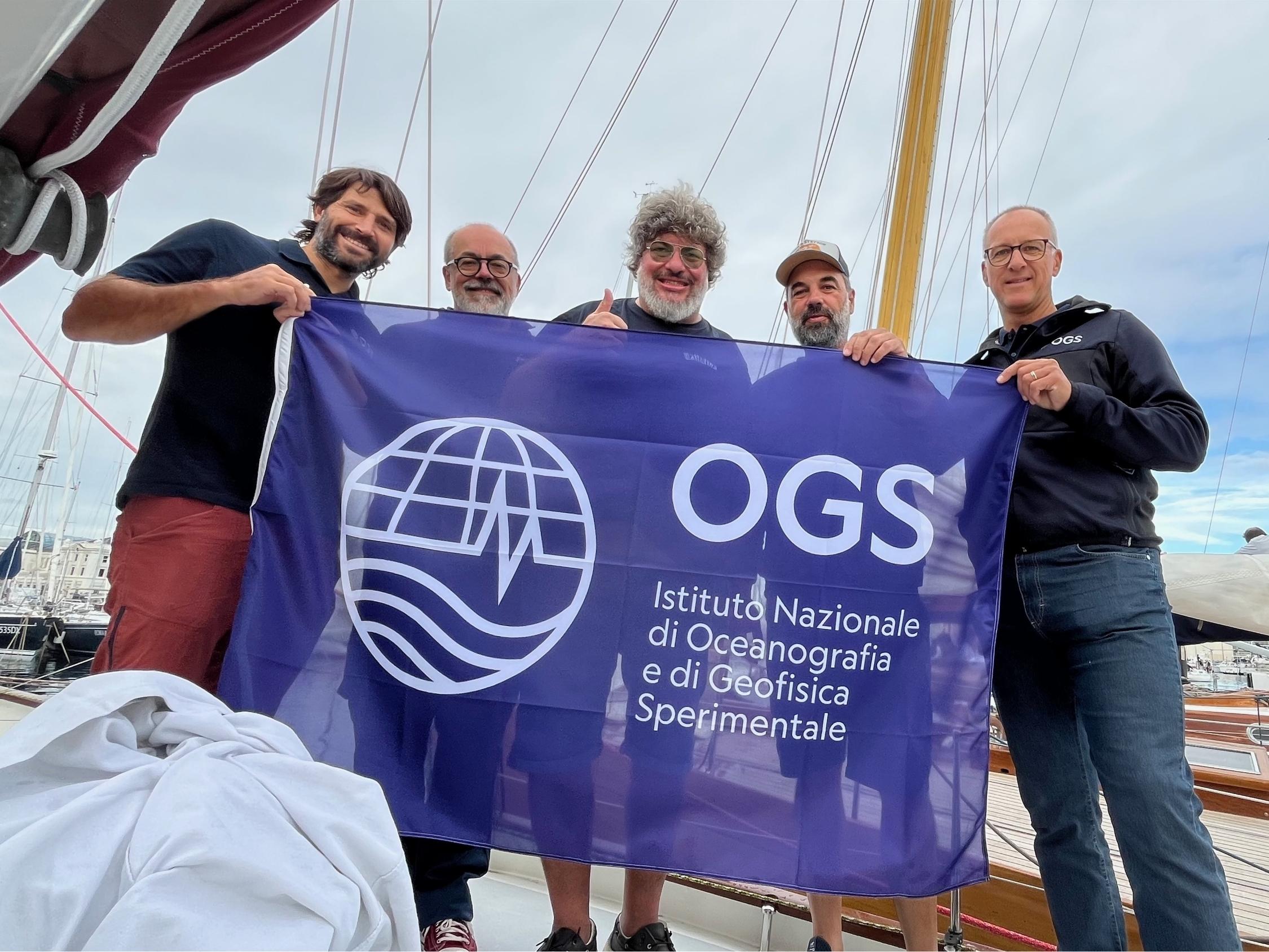
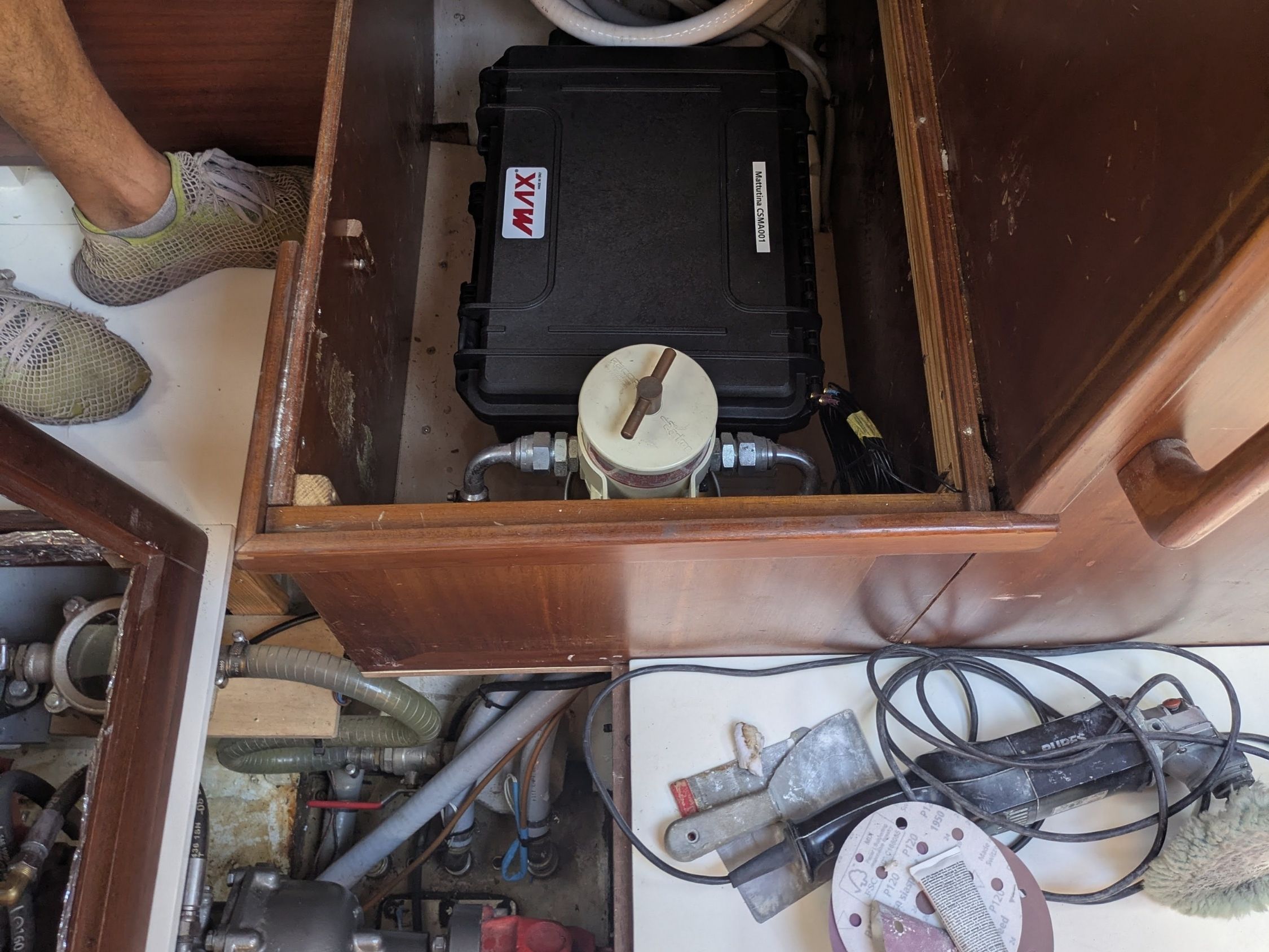
For the FeBo project, OGS researchers installed low-cost marine water monitoring sensors aboard Mattutina, during the Barcolana
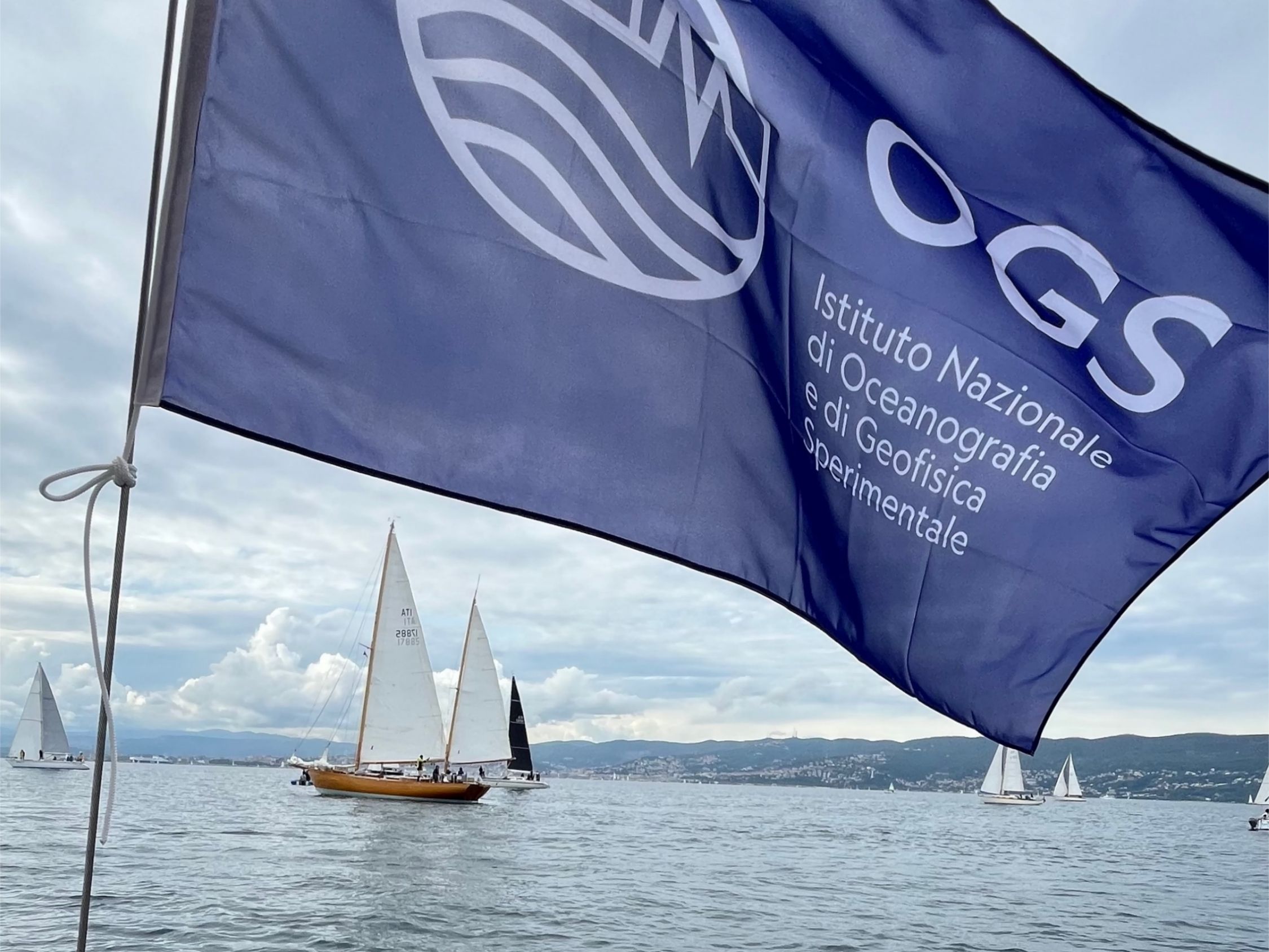
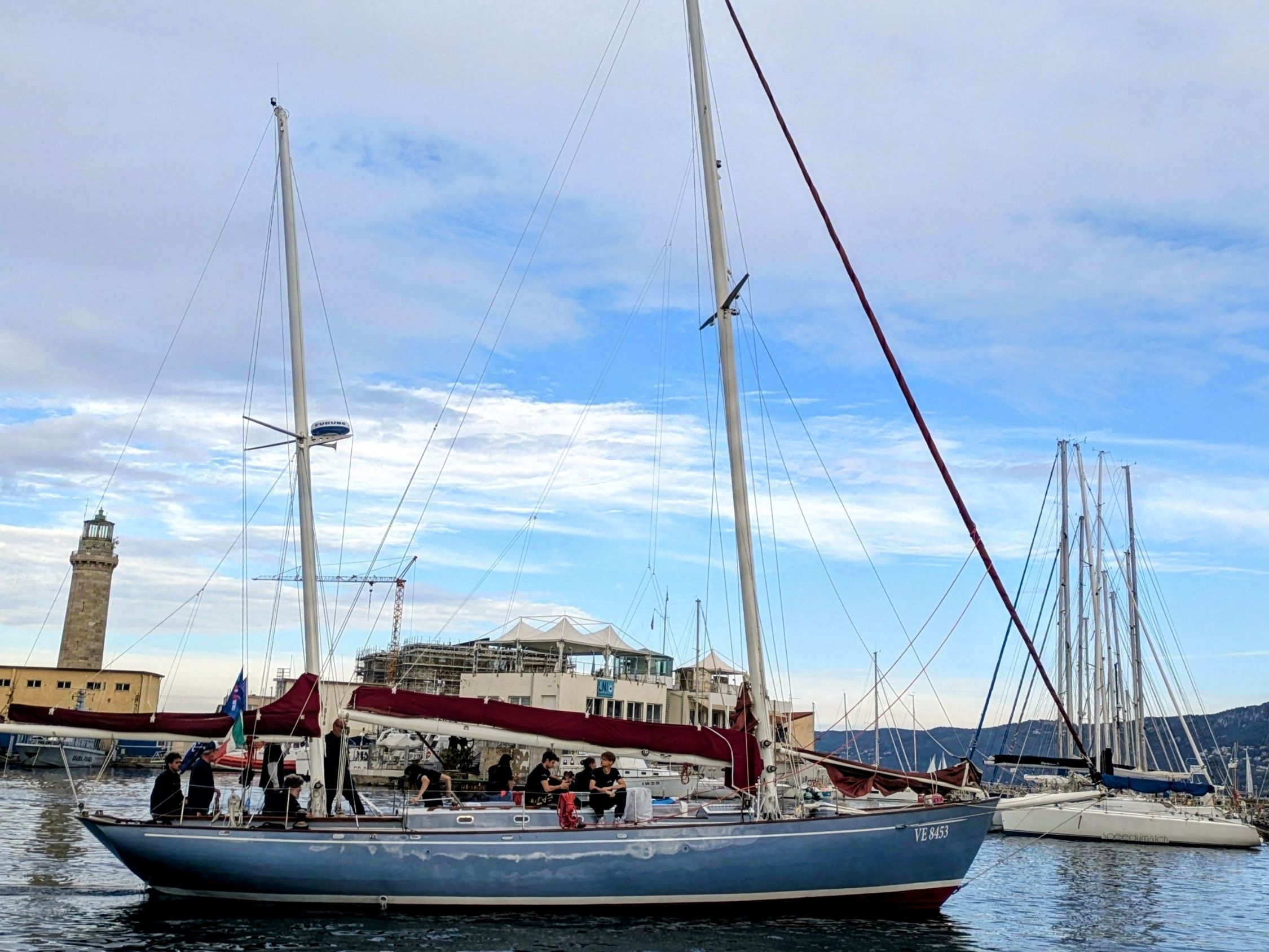
When a passion for sailing meets technological innovation, even a historic regatta such as the Barcolana can become an opportunity to contribute to scientific research. During the 58th edition of the event, the sailing boat Mattutina, through a collaboration between the National Institute of Oceanography and Applied Geophysics - OGS and GreenVenergy, sailed across the Gulf of Trieste carrying FeBo (FerryBox), an innovative system for marine environmental monitoring.
Once installed on board, the system draws water directly from outside the hull and provides measurements of oceanographic and environmental parameters. The observations collected during the voyage help extend the geographical and temporal coverage of marine data, complementing traditional monitoring activities and providing new information to support scientific research.
The project builds on the experience of OGS in the fields of Open Science and Citizen Science, through the development of technologies and infrastructures for collecting and sharing environmental data using a crowdsensing approach. Examples include the COCAL project, carried out in collaboration with Trieste Trasporti to monitor air quality, and the NoiXApp project, which focuses on monitoring noise levels in urban areas.
Building on these valuable experiences, the concept of extending environmental monitoring technologies to recreational boating was developed. This initiative has led to a collaboration with the naval engineering companies InNave and GreenVenergy, with two technology development contracts being initiated: FeBo 1 and FeBo 2.
In addition to developing a low-cost FerryBox system, the project includes the creation of a dedicated web portal for sharing the data collected, in accordance with the FAIR principles: the key concepts here are findability, accessibility, interoperability and reusability. Information on marine conditions is made available to both the scientific community and the public, encouraging participation and fostering collaboration between research and society.
The FeBo project shows that recreational boats can also be used as environmental monitoring platforms, with a relatively small investment. This would significantly increase the availability of scientific data on the marine environment
The project is being developed by the Data Management Infrastructure of the Section of Geophysics of the OGS, as part of the Institute's fifth mission: Open Science. The team is comprised of OGS researchers Paolo Diviacco, Rodrigo Carbajales, Alberto Viola, Lorenzo Grio and Mihai Burca.
View also