
30/03/2026
New Method Improves Simulation of Underwater Noise Propagation in Marine Environments
Human activities are the primary cause behind the deterioration of marine ecosystems, and anthropogenic underwater noise is one of the main pollutants identified under the Marine Strategy Framework Directive (MSFD) of the European Union.
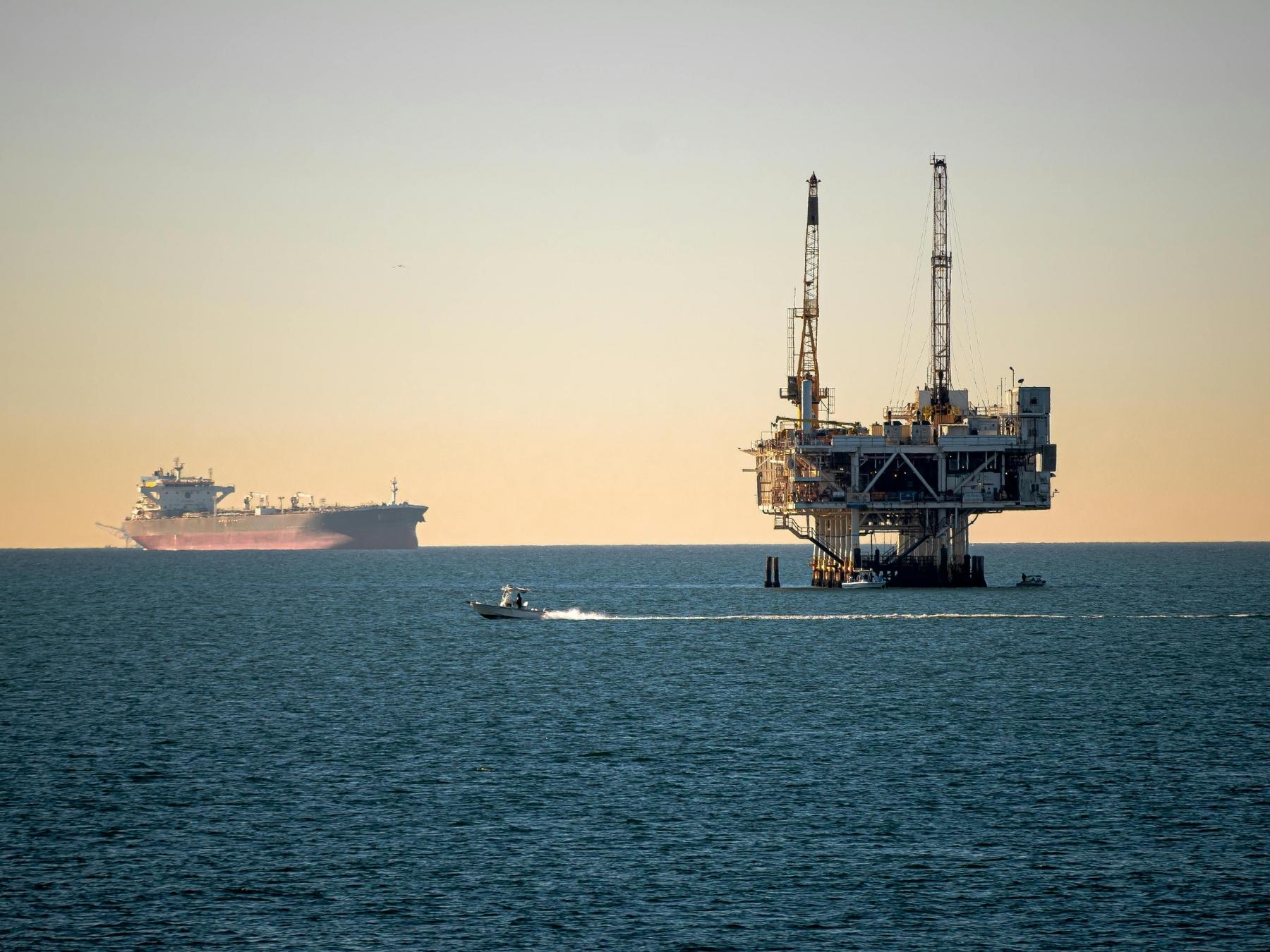
Noise pollution in the marine environment has a significant impact on the vital functions of aquatic organisms. In marine mammals, it impairs communication, feeding and reproduction. In fish, it causes behavioural changes (e.g. alterations in mobility, orientation and feeding), physiological changes and even morphological changes (e.g. alterations in cellular structure and enzymatic activity). Noise sources defined as 'impulsive', such as explosions or airguns, are primarily responsible for morphological damage, whilst 'continuous' sources, such as maritime traffic or offshore activities, are instead the cause of behavioural changes in organisms.
The scientific community has already developed various projects and databases to address this issue, including Copernicus Marine Service, EMODnet, JOMOPANS, SATURN and SONIC. These projects are aimed at characterising the marine environment and creating detailed acoustic maps. The latter are essential for monitoring noise in different regions and identifying its origin from specific sources.
However, traditional approaches to modelling underwater noise propagation have significant limitations when it comes to 'mapping' complex three-dimensional scenarios, directional sources and broadband noise typical of human activities.
In a new study, titled "Modeling underwater noise propagation: A comparative study of fully 3D Time-Domain numerical strategies", published in the international journal Ocean Engineering and carried out by a group of researchers from the National Institute of Oceanography and Applied Geophysics – OGS and the Department of Engineering and Architecture at the University of Trieste, an attempt was made to overcome these limitations by developing a new acoustic solver (within the open-source tool OpenFoam) capable of better handling mesoscale environments at frequencies relevant to practical applications, using an innovative modelling approach.
Researchers compared three numerical methods that simulate the propagation of acoustic waves over time and in three-dimensional space – Finite Difference (FD), Finite Volume (FV) and Spectral Element Method (SEM) – in order to gain a better understanding of their respective characteristics in terms of ease of use, flexibility of application and extremely high accuracy. The study provides useful practical guidance for the rest of the scientific community: SEM is recommended for high-precision simulations in complex geometries, whilst FD and FV offer greater efficiency and ease of implementation, particularly for moving sources.
Future developments in this work will focus on a more detailed characterisation of the sources and their integration into acoustic analogy frameworks.
This new approach represents a significant step towards realistic marine noise simulation, with a focus on the representation and assessment of the impact of directionality in acoustic sources. It also demonstrates that 3D spatio-temporal modelling is not only feasible, but also constitutes a fundamental tool for understanding and mitigating the impact of anthropogenic noise on marine ecosystems, ensuring a future with quieter and more sustainable seas.
View also